TW: discussions of mental health, self-harm, and eating disorders.
Welcome to the “unmarketable” side of OCD: a raw account of my life with the disorder and the taboo struggles that people, who throw the term around casually, often never see.
I think we’ve all heard someone say something along the lines of “I need symmetry because I’m a little OCD.” Sounds cute. Quirky. Relatable. There is a massive gap between the “aesthetic” version of OCD seen online and the nasty reality of it.
But when I tell people I sometimes worry I was molested as a child and just don’t remember or that I have intrusive thoughts about harming myself and others, suddenly I’m just a weirdo?
What is OCD?
OCD, or Obsessive-Compulsive Disorder, is a mental health condition where people experience unwanted, intrusive thoughts or fears that cause severe anxiety. To cope with it, we often feel driven to carry out repetitive behaviours or mental rituals known as compulsions that offer short-term relief but can become pretty exhausting and disruptive over time. Obsessions can involve fears about contamination, harm, or “taboo” and disturbing thoughts, while compulsions can include checking, cleaning, ordering, or repetition. OCD can show up in many different ways, with some of us experiencing only one or a few different compulsions and/or obsessions. For me, it’s a little blend of the two.
Childhood: The Seeds of Catastrophe
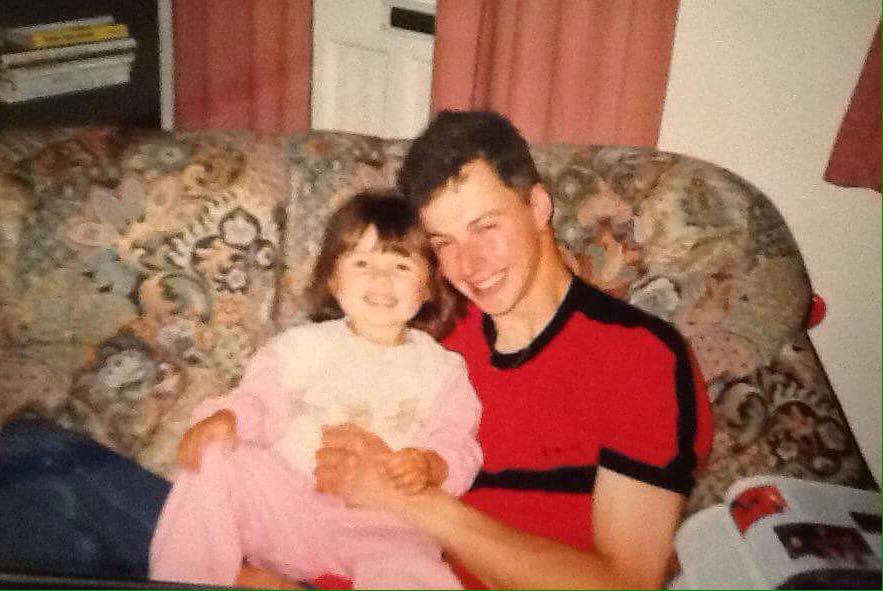
The signs were pretty obvious from the beginning. I was an anxious mess of a child, convinced I was on the brink of abandonment at every possible moment despite my parents never showing any indication that they didn’t want or love me. By the age of five, I was already catastrophising just about everything:
- Fear of Loss: If my parents were out, I was sure they’d die in some kind of car accident.
- Contamination: I thought I could “see” germs. And I was convinced I was riddled with tapeworms. I’ñl admit, that one is oddly specific.
- Health Anxiety: Oh, that drink tasted a little funny? I have been poisoned. (At twelve, I spiralled over an expired Lucozade).
- Intrusive Thoughts: Unwanted inappropriate thoughts that were violent or sexual in nature; I was a particularly confused child when it came to my sexuality and relationships.
- Ritualistic behaviour: I had to perform specific routines or something terrible would happen. The best example of this was the need to recite a specific pattern of dog breeds (that I had on a bedroom poster) before bedtime because I thought I’d die in my sleep if I didn’t.
I was ten when I received my diagnosis. It happened before a school trip where my teachers had to manhandle a kicking-and-screaming me onto the bus because I was convinced something horrific was going to happen (I don’t think they’d be allowed to do that now. Lol). As you probably guessed, NOBODY DIED! But that episode sent me to the doctor for the first time.
Adolescence: The Search for Control
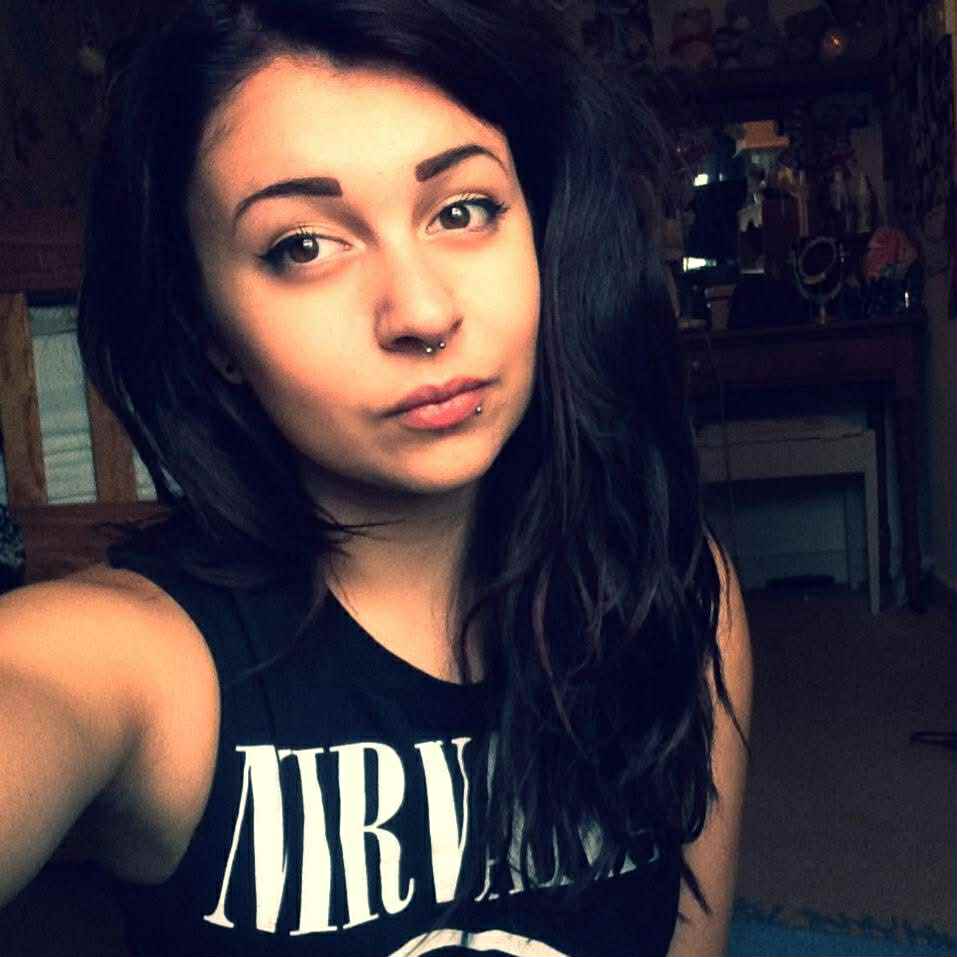
Throughout high school, the hypochondria really kicked in. I was convinced I had cancer or some other deadly, incurable illness that was festering quietly inside of me. For sure, my OCD was much worse when it was accompanied by teenage angst and the influx of hormones brought on by puberty.
Feeling completely out of control between school hierarchy and the pressure to achieve, I started searching for control in other places. I made a lot of very impulsive decisions to temporarily relieve the obsessive anxiety such as shoplifting (kleptomania) and unsafe relationships. But my biggest “coping” mechanism, unfortunately, was Bulimia and Anorexia. Eating disorders are closely linked with OCD; the behaviours are ritualistic, compulsive, and rigid. When I had no control elsewhere, I could control my calories and diet. That need for control landed me in hospital for a week when I was fourteen.
After that came a whirlwind of school counsellors, referrals, and psychiatric evaluations. I was the weird kid who came in late to lessons because she’d been sat in a room with a man called Barry who made her talk about feelings. Looking back now, it all feels a bit hazy. I can only apologise to my parents for the amount of stress I caused them during this time!
Adulthood: A Turning Point
At twenty-one, a two-day headache convinced me I had a brain tumour. Of course. The spiral dragged on for a month; I ended up being signed off work with anxiety and a collection of symptoms I had essentially manifested into existence. To cope, I got heavily into my fitness i.e. strength training and nutrition. Because THAT I could control. I was also having severe intrusive thoughts like, what if I just SWERVED my car into this oncoming lorry? What if I ran away and went off-grid, terrifying my friends and family. Obviously, they were just thoughts. I never wanted to do those things.
That was when I was prescribed Sertraline; a common SSRI used to treat OCD and Panic Disorder. It sat untouched on my kitchen shelf for three weeks while I worked up the courage to take it. The first two weeks were one hell of an adjustment. Almost dreamlike. And my digestive system was NOT okay. But it was a turning point for my mental health.
Slowly, I began to feel more rational. More logical. Like my thoughts had a little less authority over me. Not long after, I began private therapy to unpack the “why” behind my coping mechanisms. For the first time, I wasn’t just reacting to my thoughts; I was beginning to understand them.
Where I am Now: Tools, Not Cures
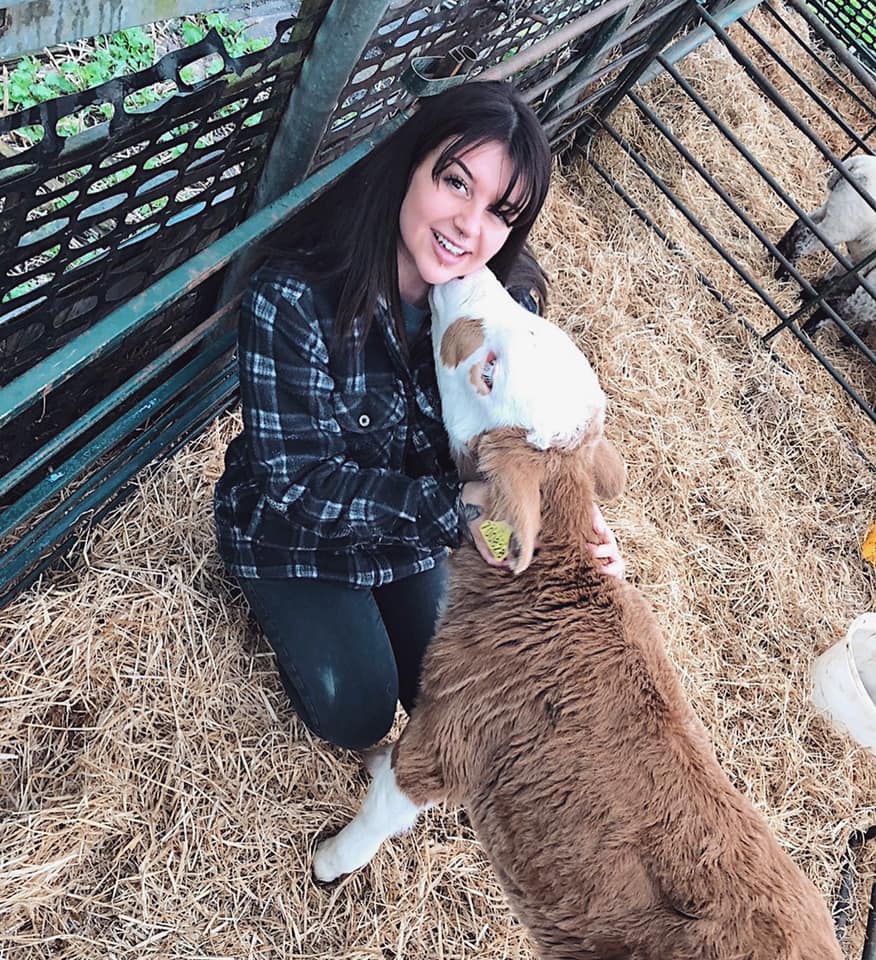
I have been on SSRIs for almost eight years now. If you’ve followed me for a while, you’ll know I tried to wean myself off them last year. Big fat mistake. But that’s okay! If I have to take a tiny pill every day for the rest of my life to feel safe and stable, then so be it. No shame.
Don’t get me wrong, I still have bad days. Sertraline and therapy aren’t cures; they are tools to help me manage. As an adult with a now fully developed frontal lobe and much more self-awareness, I deal with only a handful of symptoms. These vary in severity depending on the time of year, my stress levels, and my hormonal cycle:
- Washing/Cleaning: Excessive cleaning and organising of my home to maintain a sense of “control.”
- Contamination: I’m still pretty iffy when it comes to germs and illness, though it is much more bearable than it used to be. I had a genuine cancer scare in 2023 and handled it like a champ.
- Intrusive Thoughts: This remains my biggest challenge. I still hyper-fixate on ideas and anxieties, but the difference now is that I have the context to understand them.
I’m no longer just an “over-anxious child” lost in a spiral. I’m an adult with the right toolkit, learning every day that while OCD might be a part of me, it doesn’t actually control me.
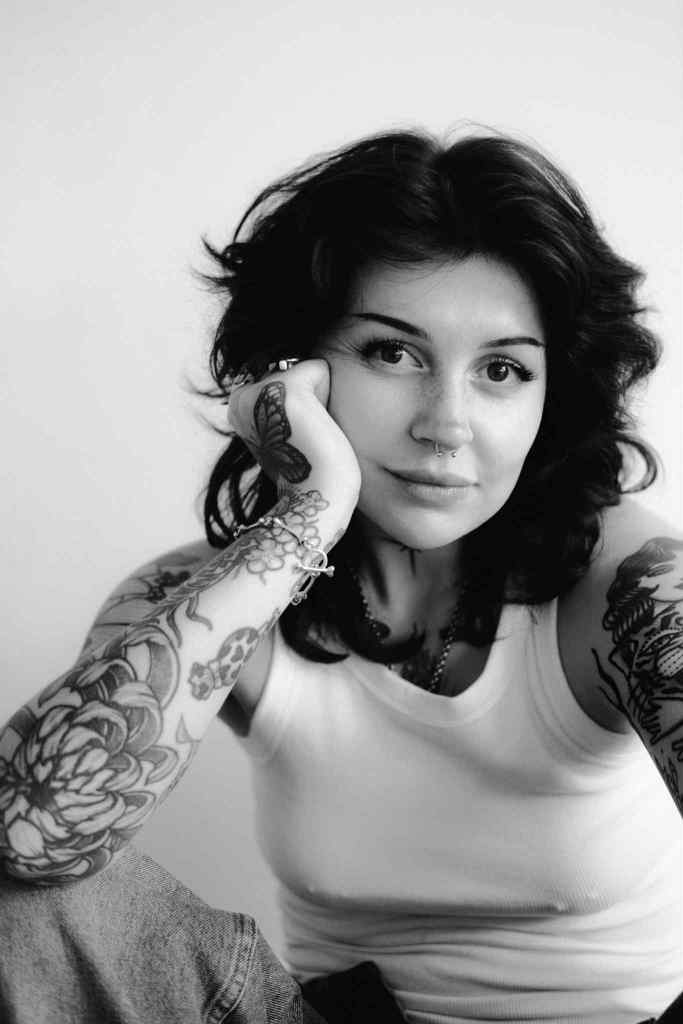
Looking back, I spent so much of my life being a passenger to my own fear. I thought the cute ‘n’ quirky version of OCD was the only one allowed to exist in public so I kept the darker, weirder parts of mine hidden. But there is incredible freedom in finally calling it what it is! I hope my (very brief) story helps other sufferers feel less alone and has educated those who weren’t so familiar with the realities.
A Note to the Reader This post is a personal reflection on my journey with OCD and is not intended as medical advice. OCD manifests differently for everyone, and what works for me (SSRIs and private therapy) might be different for you!
Made of Millions is a non-profit focused on changing the narrative around mental health with great resources on intrusive thoughts.


 @clogascoigne
Leave a reply to mizzspelly Cancel reply