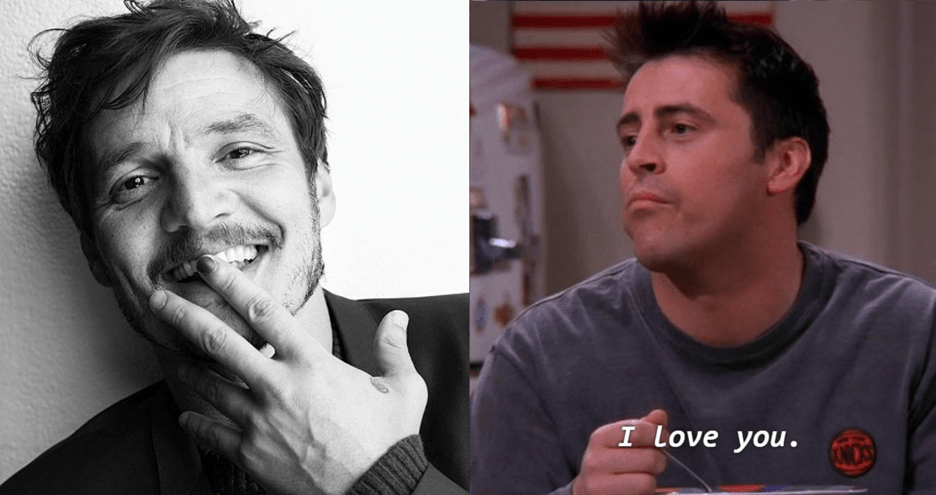
Hi. I’m Clo, I’m twenty-five, and I’m in a parasocial relationship.
If you don’t know what a parasocial relationship is, they are essentially one-sided relationships we form with media figures, celebrities, or online influencers. It’s that feeling of familiarity we get when we watch our favourite actor or follow a popular Instagrammer. We feel like we really know them, even though they don’t know us.
These one-sided fascinations have brought me a lot comfort and joy over the years. Quoting my counsellor, they are a way to “escape my reality”. But does that make it healthy?
Personally, I don’t see anything wrong with having parasocial relationships (though I am biased), unless they actively stop you from living a normal life or cause you unnecessary grief and frustration. They’re actually pretty common— even my own mother has suffered with the odd celebrity obsession cough Jensen Ackles cough. Sorry mum.
I thought it was something I’d grow out of — just a frustrating phase in my adolescence in which I obsessed over various bands, actors, and influencers because that’s just what teenagers do. I remember the first being McFly (wow) at the age of fourteen. I remember crying because my parents wouldn’t take me to one of their gigs in London despite already having seen them four times that year. Yikes. A couple of years later I moved swiftly onto a pair of YouTubers, before sailing on over to Walking Dead’s, Norman Reedus (this was a wildcard) who I met in-person when he was in London. While each “relationship” was with only one individual at a time, they lasted between one and two years. I can’t recall a time in my life between the ages of fourteen and nineteen where I wasn’t in love with someone who wasn’t either twice my age or totally out of reach. Embarrassing.
By 2018, it had mostly worn off. I had a brief infatuation with an actor from the Netflix show, ‘Z Nation’ – but thankfully, that lasted only a short few months during the lockdown in 2020. I put it down to boredom. Finally, I thought – I’ve outgrown it.
Oh, but I was wrong.
In May 2022, I was on a flight home from Spain when Netflix released the fourth season of a certain show, “Oh cool, something to pass the time.” An hour later, I had that feeling of dread as I realised a certain actor/character of the metalhead variety was going to be my next victim. Fuck sake.
I was SO embarrassed to be having parasocial relationships at twenty-fucking-four. I remember being picked on in school for my McFly obsession, and now I was carrying that shame into adulthood. The only difference now is I don’t have “my person” plastered all over the bedroom walls or run a fan account dedicated to them. Those were the fuckin’ days. Anyway, It lasted a year, I met the actor at Comic Con and shortly after that, it began to fizzle out. I felt relief wash over me waking up one morning when I realised I had forgotten to immediately check his socials. The end was near.
But just a few days later, I was watching The Last Of Us on HBO and, fuck — it was almost instant. Pedro Pascal. I sighed and accepted this was just my life. I am now approximately three months into the relationship, it’s going well. We plan to marry in August.
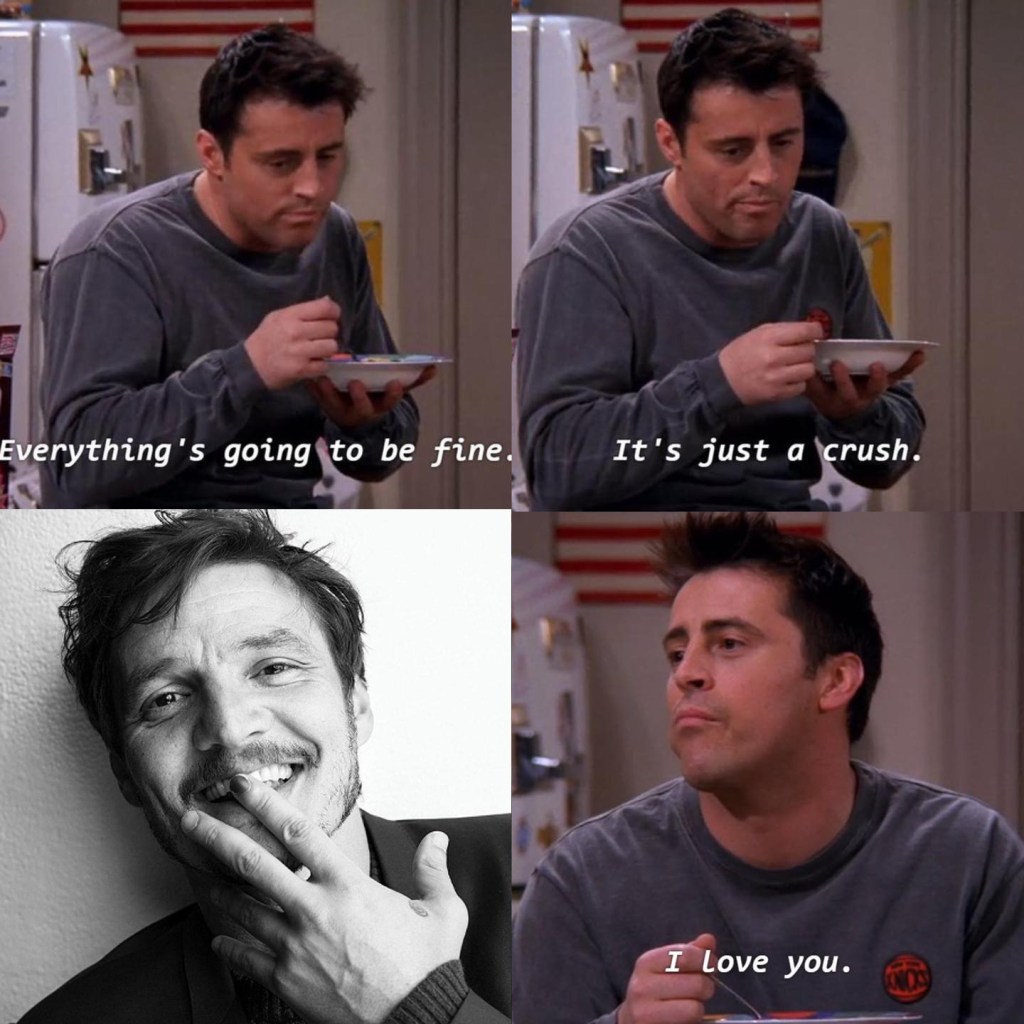
I wanted to look a little deeper into why some of us experience parasocial relationships, and is it bad that I’m still having them in my twenties? A poll I ran on my Instagram suggested that around half of my followers had never experienced one. But there was a lot of you who had never even heard of the term — so maybe after reading this, some of you may realise you have in fact had one!
Emotional Fulfilment
A lot of people, myself included, use paraosical relationships as a way to fulfil their emotional needs. As someone who was in a very unhappy relationship for many years, these parasocial ones gave me a sense of connection and intimacy — something I felt lacked in my own day-to-day life. I would read fanfiction, create fan art, and absorb every piece of information I could about them to feel closer.
Social Isolation
I’m not ashamed to admit I felt lonely over the years, and having these parasocial relationships often provided me with a sense of belonging. It’s not uncommon for people to engage with media personalities and/or character to create the perception of social interaction.
Idealisation and Fantasy
I was always attracted to the persona portrayed by the my parasocial relationships or the qualities they represented. I would them to escape into a world of fantasy and project my desires or aspirations onto the person or character. I think this is what my counsellor was referring to when she said I used parasocial relationships to escape my own reality.
Media Consumption Patterns
Thanks to technology, we are constantly exposed to media, such as television shows, movies, and social media. It no doubt contributes to the development of these relationships. If you’re regularly consuming media involving a certain character or celebrity, it’s going to create a sense of familiarity and attachment over time!
Accessibility and Availability
This kinda ties in with my last point, but with the rise of social media and online platforms, we now have far more opportunities to engage with media figures and characters directly or indirectly. Whether it’s through social media posts, watching interviews, live streams, or being a part of fan groups — they can all simulate a sense of connection and community.
Psychological Factors
Certain personality traits or psychological disorders may make some of us more prone to developing parasocial relationships. For me, factors such as loneliness, low self-esteem, social anxiety, or a need for validation can contributed to the formation of these relationships.
So really, whether parasocial relationships are considered good or bad for us depends on each individual and to what extent they engage with them. I think the keyword here is probably balance. By balancing our parasocial connections and real-life interactions, and being aware of the potential risks and limitations of these relationships, I would go as far to say parasocial relationships are mostly harmless.
If indulging in a “fantasy” brings me comfort and familiarity, especially during challenging times, then I don’t think it’s something I should feel ashamed of — we all cope in different ways. Besides, is it so different to some dude knowing every tiny detail about their favourite football player? No. Not really.


Leave a Reply